
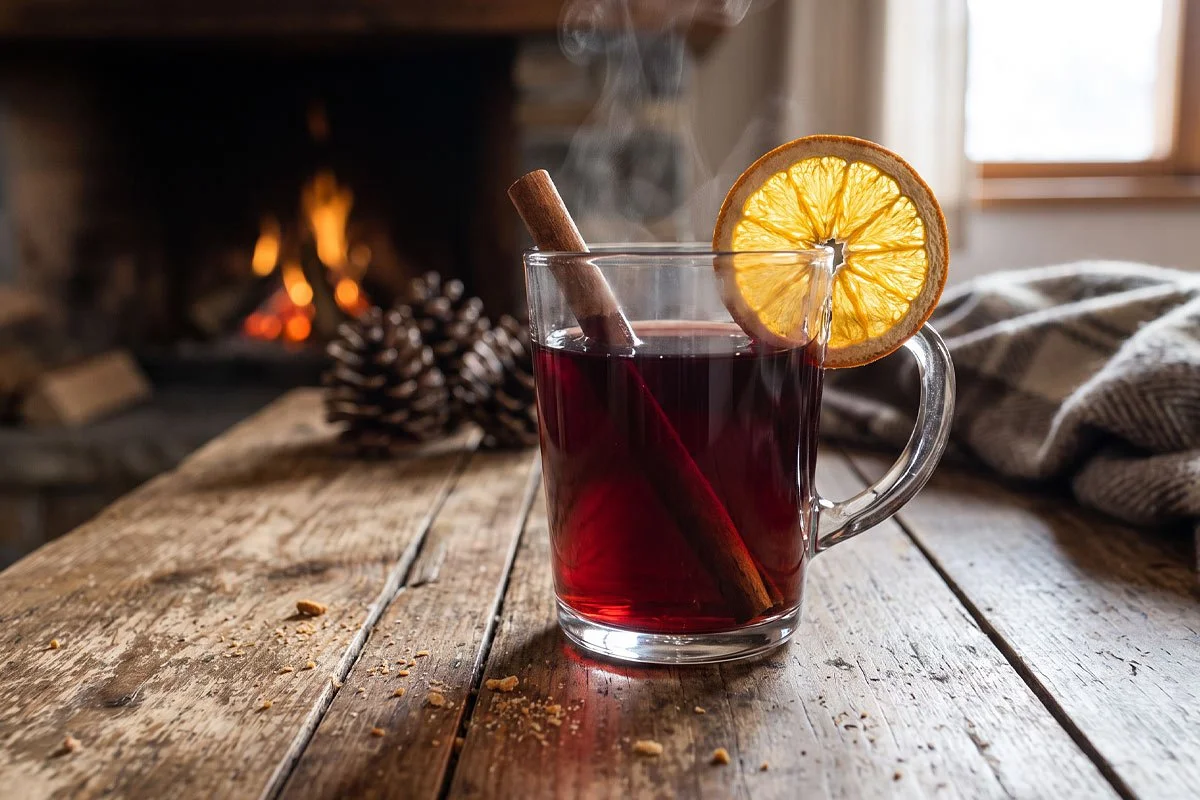
A guide to choosing the right wine, adding seasonal spices, and creating a fragrant pot of mulled wine that makes your home feel like the holidays.
There are certain aromas that immediately make any house feel like a warm holiday home. Fresh evergreen, fresh baking with cinnamon, and the smell of a wood fire can all have a way of setting the scene.
Mulled wine is a great way to bring a few classic Christmas aromas together in one warm and festive drink. And best of all, it’s easy to create.
When I lived in France, mulled wine (or vin chaud) could almost always be found filling the air at Christmas markets, in cafes and bistros and also at a variety of winter gatherings across Europe. Mulled wine is basically red wine that’s gently warmed with spices, citrus and a little sweetness. It’s a seasonal tradition that’s easy to make at home, whether you’re having friends over for a gift exchange, a festive cocktail party, hosting Christmas dinner, or just enjoying a quiet winter night.
Mulled wine is great for the holidays because it pulls double duty: you have a warm and delicious seasonal drink to offer your guests, and a pot of fragrant spices that fills your home with festive cheer.
Here’s how to make a great pot of mulled wine, along with some ideas for serving it and making it part of your holiday entertaining.
Choosing the Right Wine for Mulled Wine
You don’t need an overly expensive bottle of wine to make mulled wine. In fact, using a expensive or complex wine isn’t the best choice because the spices, citrus and other ingredients will ultimately become the dominant flavours (so don’t waste that expensive bottle here).
What you want is a reasonably good, approachable red wine with enough fruit character to stand up to everything you will add to the pot.
Some good wine styles for mulled wine include:
Merlot: Soft, approachable and fruit-forward. A reliable choice for an easy-drinking mulled wine.
Cabernet Sauvignon: Fuller-bodied, with enough structure to work well alongside cinnamon, cloves and citrus.
Syrah/Shiraz: Another good option, with darker fruit and spice characteristics that complement the traditional additions.
Malbec: Rich, smooth and generally fruit-forward, making it another excellent choice.
Grenache: Often lighter and fruitier, with flavours that work very well with orange and warming spices.
You can also use a red blend, as there are quite a few nice red blends out there. The most important thing is to buy something that you would also enjoy on its own.
One thing to avoid are delicate, or heavily oaked wines. Very tannic wines can also become less appealing when they’re warmed and combined with spices.
Another good rule to remember is to choose a dry or medium-bodied red wine. You can always add sweetness to suit your taste (but an overly sweet starting point can make the finished drink cloying).
Can you Make Mulled Wine with White Wine or Rosé?
While red wine is the traditional choice for mulled wine, white wine and rosé can make interesting alternatives.
A dry, fruit-forward white such as Riesling, Pinot Gris or unoaked Chardonnay can work well with orange, lemon, cinnamon and ginger. Rosé is another option, especially a dry, fruit-forward style. Both tend to produce a lighter, fresher interpretation of mulled wine, with citrus and delicate spices taking more of a starring role. If you’re experimenting, start with a small batch and adjust the sweetness and spices to suit the wine.
What Goes into Traditional Mulled Wine?
The beauty of mulled wine is that there’s no single definitive recipe. Different European countries, families and regions have their own variations, and you should experiment with your own twists within the flavour profile as well.
With all that said, here a few ingredients that form the foundation of many traditional recipes.
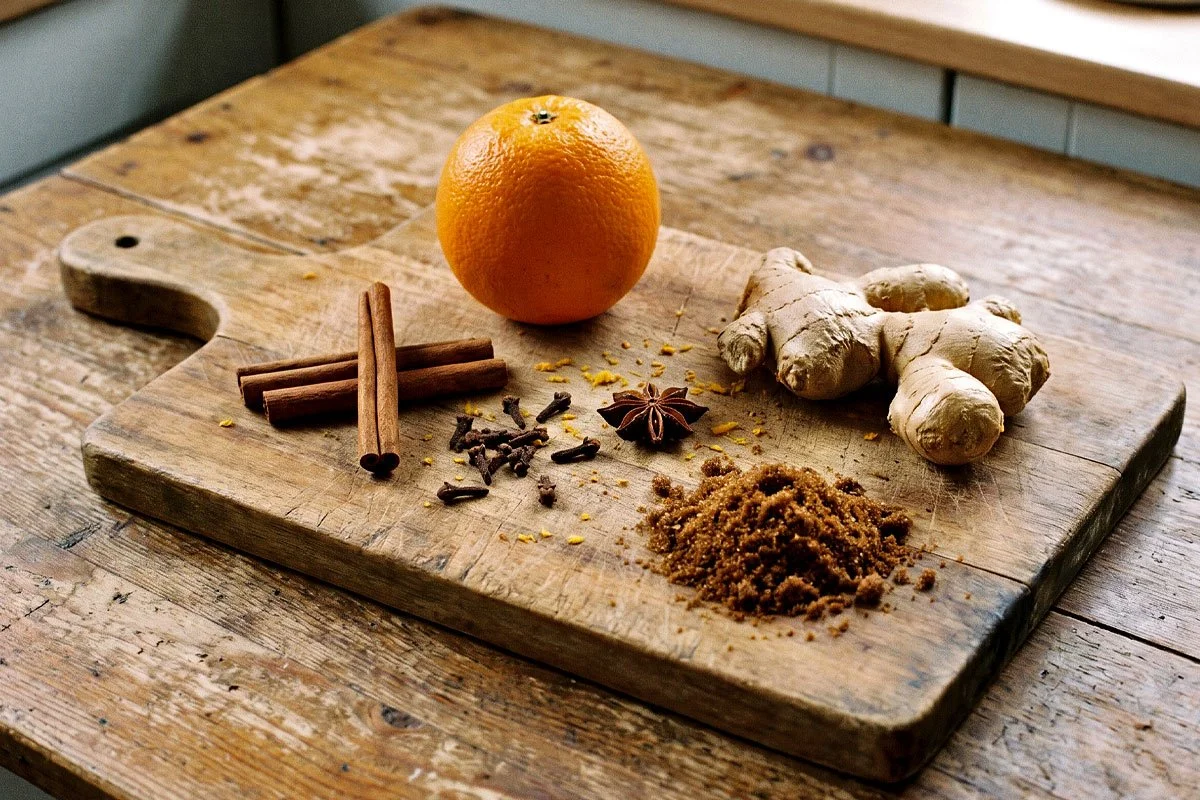
Orange: Fresh orange slices or strips of orange peel provide citrus brightness and aroma. Orange is arguably the signature flavour alongside the wine itself.
Cinnamon sticks: Cinnamon brings the familiar warm, sweet-spice character that makes mulled wine instantly recognizable. This is a must-have in my own versions.
Cloves: Cloves provide a deep, aromatic spice. They can be strong, so a little goes a long way.
Star anise: Contributes a subtle liquorice-like note and adds visual appeal when serving.
Fresh ginger: Optional, but worth considering. Ginger adds a gentle warmth and a little extra complexity. Start with just a hint and go from there.
Sweetener: Brown sugar, honey or maple syrup can balance the wine's acidity and the spices. Again, start slowly and adjust to taste. You can always add more sweetness, but you can’t take it away.
Other optional additions include lemon peel, cardamom pods, a pinch of nutmeg or a splash of apple juice. Some recipes also include brandy or orange liqueur for additional depth.
The key to all of this is to practice restraint. You want the individual flavours to complement one another and not clash in the pot. Mulled wine should taste like wine enhanced by spices, not a cup of some overpowering distasteful potpourri.
An Easy Mulled Wine Recipe for the Holidays
As a starting point, this recipe makes approximately six servings and is easy to scale up for a larger gathering.
Ingredients
1 bottle (750 ml) dry red wine
1 orange, sliced into rounds (seeds removed)
2 cinnamon sticks
6 whole cloves
2 star anise
1–4 thin slices fresh ginger (optional)
2–3 tablespoons brown sugar, honey or maple syrup
¼ cup brandy or orange liqueur (optional)
½ cup apple juice or water (optional, for a slightly lighter, fruitier result)
Method to Make Mulled Wine
Pour the wine into a medium-sized saucepan or Dutch oven.
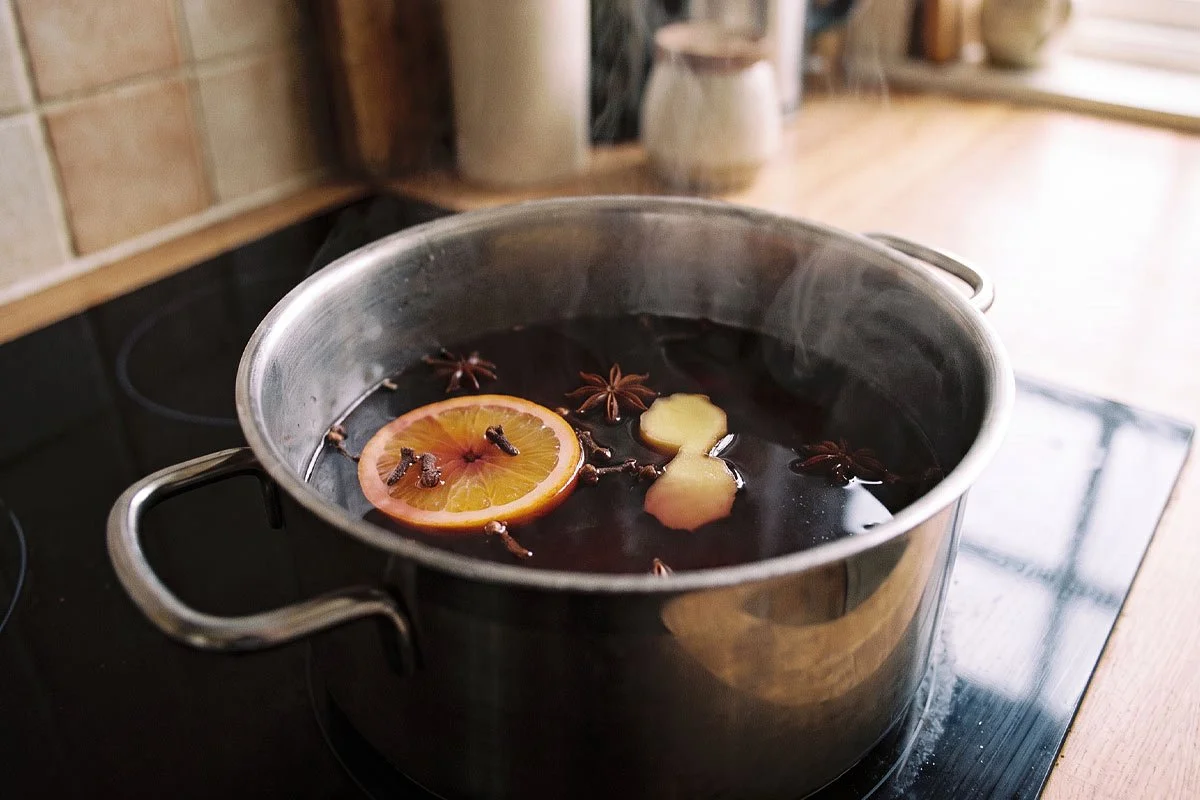
Add the orange slices, cinnamon sticks, cloves, star anise (and ginger, if using).
Stir in two tablespoons of your chosen sweetener.
Heat gently over low heat until the wine is steaming and just beginning to show tiny bubbles around the edges. Do not allow the wine to simmer or boil.
Reduce the heat to its lowest setting and let the mixture infuse for approximately 20–30 minutes.
Taste and adjust the sweetness. Add the brandy or orange liqueur at this point, if using (towards the end).
When it’s ready to serve and you are happy with the flavour, you can strain out the spices and orange slices with a slotted spoon (if you prefer a cleaner presentation), or leave some of them in for a more rustic look.
Serve warm in heat-resistant glasses or mugs.
The secret to making mulled wine is gentle heat and patience. You are infusing the wine with the flavours of the spices and citrus, not cooking it. If it starts to simmer or boil you can burn off alcohol and destroy some of the more delicate aromas. So do not stray too far from your pot at any time.
How Long Can You Keep Mulled Wine Warm?
Mulled wine is convenient when entertaining because it can be prepared ahead of time and kept warm for guests.
Allow approximately 20–30 minutes for the initial infusion. Once the flavours have developed, you can transfer the wine to a slow cooker on its lowest warm setting, or keep it over very low heat (the lowest heat) on your stove.
It’s worth stating again that you should avoid allowing it to simmer or boil. Excessive heat will change the flavour, reduce the volume and drive off alcohol. Aim to serve it within about two hours of heating. You shouldn’t keep it on the stove throughout an entire evening. If you need more, you can easily make another batch.
If you want to make it ahead of time for convenience, you can do that as well. Make the mulled wine, then allow it to cool completely on the counter. When completely cool, refrigerate it (covered), with all ingredients in the pot. Then you can remove it from the fridge for 30 mins and reheat gently when needed. Do not leave a pot of mulled wine sitting at room temperature for several hours. Discard anything that has been left out beyond safe food-handling limits.
As a side note, you may find pre-made bottles of mulled wine in liquor stores that you are supposed to pre-heat at home; however, making the real thing is so easy and more appealing that it’s well worth the minimal effort. I’ve tried a few of those pre-made bottles and while they’re okay, they won’t compare to the real thing made fresh.
Homemade Mulled Wine: An Aroma of the Holidays
One of the best parts about making mulled wine is that the experience begins long before anyone takes a sip.
As the cinnamon, cloves, orange and wine warm together, they release festive aromas that gradually spread throughout the house. Forget scented candles or diffusers, you have a pot of consumable festive cheer.
It’s an inviting combination of sweet, citrusy and earthy spices that makes your home feel welcoming as soon as someone walks through the door.
If you’re entertaining, start preparing your mulled wine about 20 minutes before your first guests arrive. The fragrance will help establish the mood before the doorbell even rings for the first time.
Mulled wine is one of those small touches that makes a gathering feel thoughtfully put together without requiring much effort.
How to Serve Mulled Wine
Presentation is part of the enjoyment for any good host, particularly during the holidays.
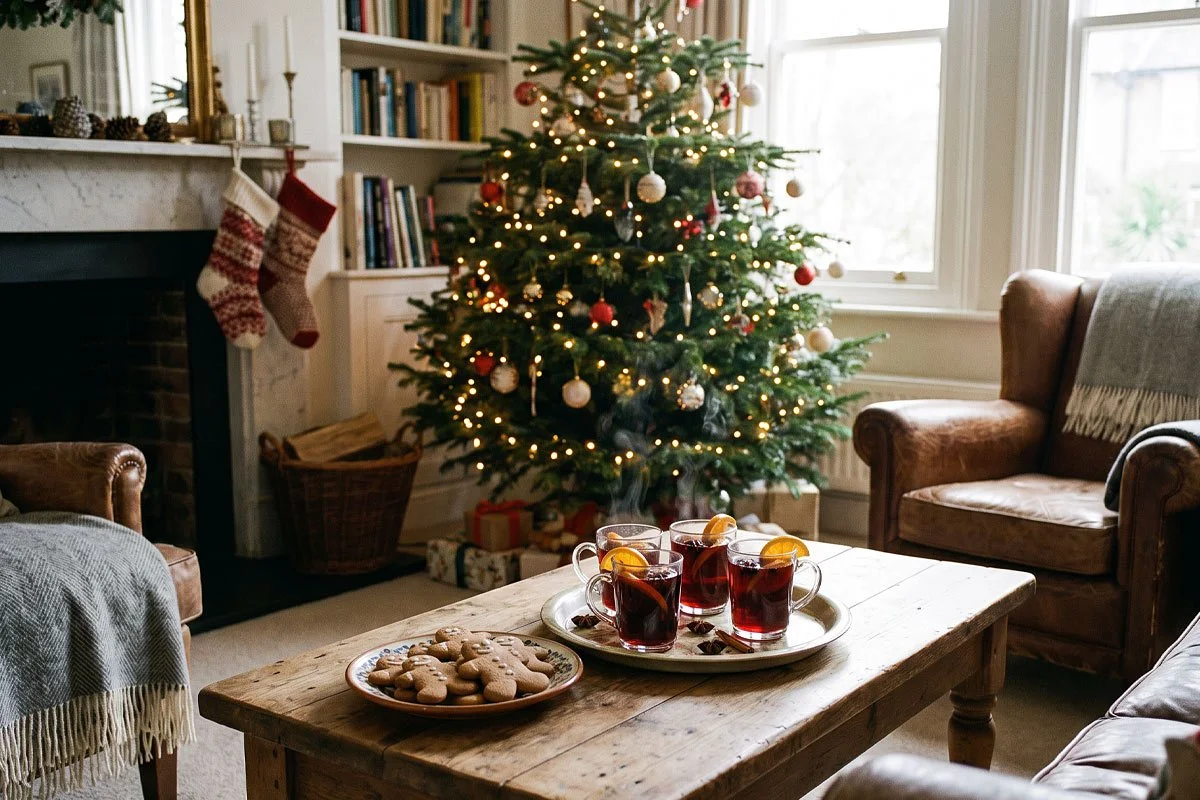
Clear glass heat-resistant mugs (or handled glass punch cups that can take the heat) are good choices because they allow the deep ruby colour of the wine and the garnishes to show through. Ceramic mugs also work of course, for a more relaxed, fireside atmosphere.
While I would recommend straining out the ingredients used to heat/infuse the mulled wine when you fill a glass, you can garnish the glass with fresh versions of those same items, or other options, including:
A fresh orange slice or twist of orange peel.
A cinnamon stick.
A star anise pod.
A few fresh cranberries.
A thin slice of fresh apple.
If in doubt, a single fresh cinnamon stick in the mug is a classic easy serving choice.
If you’re hosting a bigger gathering, serve the mulled wine from an attractive heatproof vessel or a suitable slow cooker, with a ladle and a small selection of garnishes nearby. You can also consider making two batches rather than having two bottles of wine (and ingredients) in one big pot. This gives you more control over the temperature and freshness throughout the evening.
A little extra attention to the presentation makes a simple homemade drink feel like something special.
Mulled wine also pairs really well with classic holiday appetizers. Aged cheeses, charcuterie, roasted nuts, gingerbread, spiced biscuits or a selection of savoury pastries are all good options. The warming spices and fruit flavours of the mulled wine make it enjoyable alongside seasonal treats.
A Non-Alcoholic Mulled Wine Alternative for Everyone
If you want to have a non-alcohol version for younger guests, designated drivers, or non-drinkers, you can create a similarly festive drink using cranberry juice and apple juice as the base.
Combine approximately three cups of cranberry juice with three cups of apple juice, then add orange slices, cinnamon sticks, cloves and star anise. Warm it gently for 20–30 minutes, allowing the spices to infuse, similar to the mulled wine.
The result is a colourful, aromatic holiday drink with much of the same seasonal appeal as traditional mulled wine. Serve in the same heat-resistant glasses (or a different style of glass, if you want to keep track of the two versions), with cinnamon sticks, orange slices and cranberries for garnish.
Having a non-alc version is an easy way to offer everyone something special.
Make the Season Feel a Little More Special
Holiday entertaining doesn’t have to involve elaborate recipes or complicated preparations.
Sometimes, it’s the simple little things that make the biggest impression. A pot of mulled wine warming gently on the stove, the fragrance of cinnamon and oranges drifting through the house, a few festive garnishes and a welcoming drink waiting for guests.
Mulled wine is one of those festive reminders that creating a seasonal atmosphere is sometimes as much about the experience as it is about what you serve.
By Mike Belobradic